Introduction
How to clean a stained toilet bowl is one of the most asked questions during end-of-lease cleaning. Many tenants assume a quick scrub is enough. But stained toilets—especially with hard water rings or brown deposits—can cost you part of your bond.

This guide walks you through:
- What causes toilet stains, and how to identify them
- Safe and effective DIY cleaning methods
- Commercial products that work (and which to avoid)
- Tips for black stains, under-rim cleaning, and deep mineral buildup
Common Toilet Bowl Stains and What Causes Them
Understanding stain types is key to proper treatment:
Common Causes:
- Hard water stains from minerals like calcium and magnesium
- Rust stains from iron in water
- Aging porcelain that’s etched and more prone to buildup
- Mold and mildew, especially under the rim
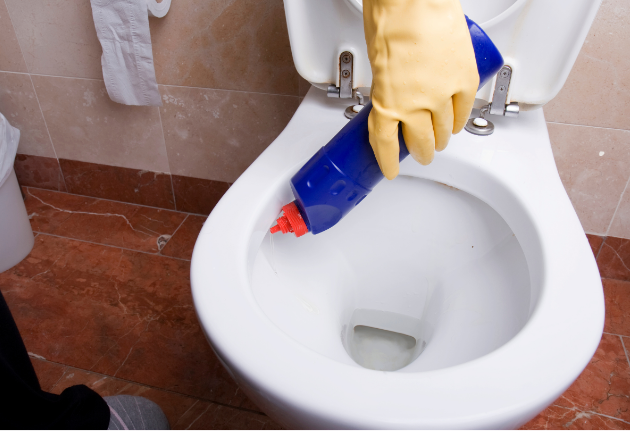
These stains worsen if left untreated. And yes, porcelain does wear out over time, making it harder to clean.
Types of Stains:
- Brown or red rust rings
- White mineral buildup
- Black mold or mildew
- Yellowing from urine deposits
Essential Safety Before You Start
Before you clean, protect yourself and your bathroom:
- Always wear gloves and eye protection
- Open windows and turn on a fan for ventilation
- Never mix chemicals, especially bleach, with acids
- Read all product instructions

To clean above the waterline, lower the water level:
- Shut off the water valve and flush
- Or dump a bucket of water quickly to empty the bowl
This exposes the full surface for stain removal.
DIY Solutions That Actually Work
1. White Vinegar & Baking Soda
- Pour 1 cup of white vinegar into the bowl
- Add 1–2 cups of baking soda
- Let it fizz for 30 minutes, scrub, and flush
2. Citric Acid Powder
- Sprinkle into the bowl or dissolve in hot water
- Let it sit for an hour or overnight
- Scrub and flush
3. Coca-Cola Hack
- Pour 1 full can around the rim
- Let it sit overnight, then scrub and flush
4. Toilet Paper Soak Method
- Soak toilet paper with vinegar or CLR cleaner
- Sticks over stains above the waterline and under the rim
- Leave overnight, then brush away
Explore more tricks in our How to clean Toilet for End of lease Cleaning.
How to Clean a Stained Toilet Bowl with Commercial Products
Sometimes, natural methods aren’t enough. That’s where commercial toilet cleaning solutions come in.
Recommended Products:
- Zep Toilet Bowl Cleaner: Works fast on mineral rings
- Lysol Lime & Rust: Great for limescale
- Bar Keepers Friend: Use with caution (1-minute contact max)
- Iron Out: Ideal for hard water toilet stains or rust
- CLR cleaner: Dissolves calcium, lime, and rust buildup
Apply these carefully and never combine with bleach.
Abrasive Tools: Use with Care
1. Pumice Stone
- Wet the stone and the toilet surface
- Gently scrub the ring or stain
- Best for toilet stain removal caused by minerals
2. Steel Wool (SOS pad)
- Use ultra-fine grade
- Buff gently—great for brown stained toilet issues
3. Magic Eraser / Melamine Foam
- Useful for finishing touches
- Won’t remove thick mineral buildup, but helps polish
These methods are effective but can scratch the surface if misused.
How to Clean Under the Toilet Rim
This is one of the most missed spots during move-out:
Try This:
- Use a cleaner with an angled nozzle to reach jets
- Pour CLR or vinegar down the overflow tube to clean hidden jets
- Stick soaked paper towels under the rim
- Use a brush with stiff bristles angled upward
More tips: End-of-Lease Cleaning Checklist
What Works Best for Black or Brown Stains?
For Brown Stains:
- Iron Out, Zep, or citric acid
- Baking soda paste + vinegar for milder stains
For Black Stains:
- It could be mold or flapper deterioration
- Use bleach-free acid-based cleaners or baking soda + borax
Black stains under water may indicate mold in the tank—clean or replace components.
Regular Maintenance = Fewer Stains
Prevent stains before they start:
- Clean once a week
- Use a toilet bowl cleaner like Lysol or natural vinegar soaks
- Avoid tank tablets that degrade rubber seals
- Flush with the lid closed to prevent spray-back
To fight hard water:
- Install a water softener
- Use toilet-safe descaling products monthly
Explore more: End-of-Lease Cleaning Use Dishwasher Liquid.
FAQs
What causes toilet stains?
Hard water, iron, mildew, or worn porcelain. Mold under the rim and black buildup may even indicate tank or health issues.
Can I use a pumice stone?
Yes, but keep it wet and go gently. Use toilet-specific pumice tools.
How to clean stains above the waterline?
Lower water, soak vinegar-soaked paper towels, and apply overnight. Or use gel cleaners that stick.
Are natural methods effective?
Yes! Vinegar, citric acid, baking soda, and Coca-Cola can all work well with time and scrubbing.
What safety tips should I follow?
- Never mix bleach with acid cleaners
- Ventilate your bathroom
- Wear gloves and goggles
- Store products away from children
Conclusion: Don’t Let Stained Toilets Cost Your Bond
Knowing how to clean a stained toilet bowl properly can be the difference between passing or failing your final inspection. DIY methods like vinegar or baking soda are safe and often work, but don’t hesitate to use commercial options for heavy-duty issues.

If you’re unsure or out of time, O2OCleaning offers professional, end-of-lease-grade toilet cleaning. Visit our professional end-of-lease cleaning service or get started with ourFree Estimate Form.
📚 Related Reads:
- How to Clean Kitchen Cabinets for End of Lease
- End of Lease Cleaning Services: Full Guide
- How Much Is End of Lease Cleaning?
For more help in the same end of lease cleaning topic, see How to Clean Toilet Bowl Properly for End of Lease Inspection and Don’t Lose Your Bond: Expert Mould Removal for Move Out Cleaning.
For more help in the same end of lease cleaning topic, see Moving Cleaning Tips: How to Pass Inspection Without Stress.