
Table of Contents
Introduction

Why is it necessary to clean the bathroom floors?
They consume more water, soap, and foot traffic than any other room in your home.
These make them very sensitive to mold, mildew, and bacteria development. Bathroom floors may become slippery if left unattended. This creates a fall risk. Also, dirt and grime on your bathroom floors lower the indoor air quality. They could harbor germs that might spread throughout your home.

Keeping wet areas clean will always keep these problems at bay. Professional cleaners of houses advise on the regular cleaning of the bathroom floor to keep it at its best. Of course, you shall require the appropriate equipment to do so. They ensure that the cleaning is effectively and efficiently done. Here is some equipment that you will require to get the job done.
What Cleaning Equipment Do You Need?
Of course, you need the right tools. They make cleaning efficient and effective. Here is some equipment that you will need to get the job done.
1.Vacuum: Picks up dirt and hair in advance so that you don’t have to scrub them.

2. Paintbrush or scrubbing brush: This is used for scarping off grime or dirt from the tile or floor surface.

This will catch a lot of the water before it hits the floor.
3. Steel Sponge: For more stubborn spots where a normal brush may not work effectively at cleaning.
4.Jif Cleaner: Excellent for scrubbing bathroom tiles, removing stains.
5.Diswashing Liquid: Excellent to mix with warm water to provide an excellent clean.

6.Dirty Rags: Provide for wiping and cleaning the floor after scrubbing it.
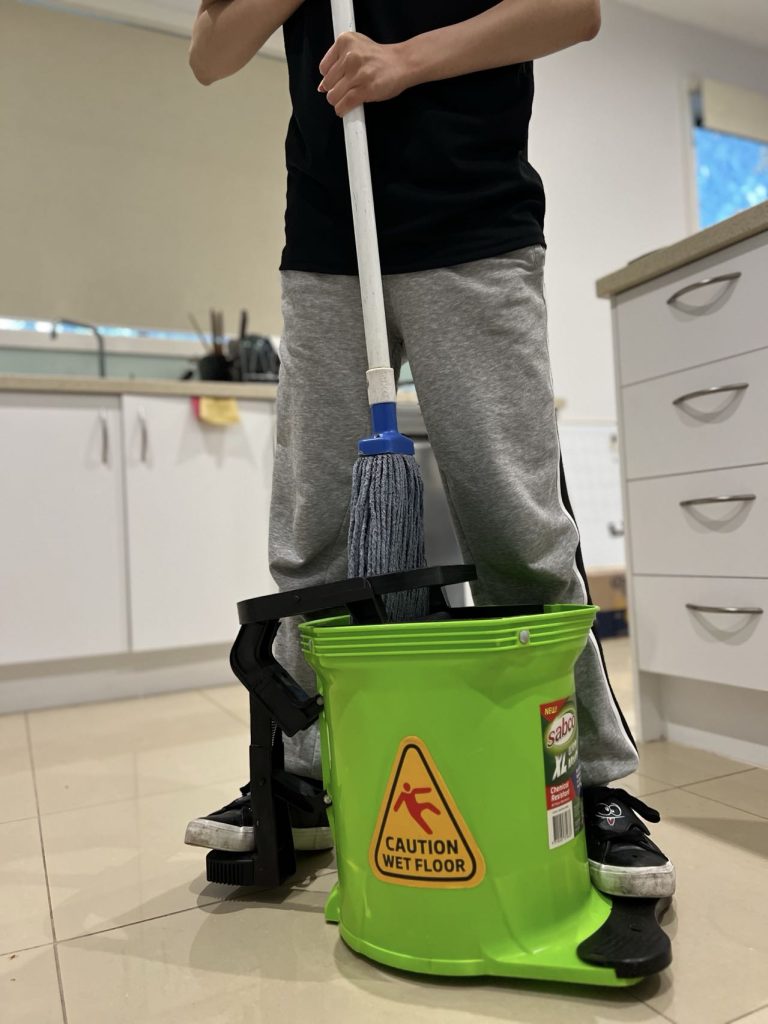
7.Mop: To rinse and wipe the floor after cleaning. You have tools to clean any bathroom floor, whether for routine or deep cleaning.
How Often Must Bathroom Flooring be Cleaned?
It depends on how many people use your household. However, here is a general guide:
•Daily: A quick sweep or vacuum to remove hair and dirt can prevent buildup.
•Weekly: A deep cleaning session involving scrubs and mopping to maintain hygiene. • •Monthly: A deeper clean, like scrubbing grout lines and damp areas. However, this might vary by season, depending on traffic and if you have kids. Households with a few members can sometimes consider cleaning less frequently.
Professional house cleaners in Melbourne mostly offer weekly cleaning services to households. This helps maintain hygiene and safety.
How to Clean a Bathroom Floor: A Step-by-Step Guide
With the tools and knowledge, let’s clean a bathroom floor. Here is an easy, step-by-step guide.
Step 1: Vacuum the Floor
First, vacuum or sweep the floor to remove hair, dirt, and debris. This prevents spreading dirt when you wet and clean later. For hard-to-reach areas, like under the sink or around the toilet, use a vacuum cleaner. For tile floors, use an attachment with a soft brush to avoid scratches.

Step 2: Scrub the Floor
Scrubbing is more important in effectively cleaning the bathroom’s floor. Mix warm water with some dishwashing liquid or any cleaner, at least Jif, in which tough stains can be removed. Gently scrub the floor with a soft-bristled brush or sponge. Pay special attention to the grout lines and high-traffic areas. Dirt and grime usually accumulate there. Be careful not to use an abrasive material because sensitive floors, like those made of tile, scratch easily. Make sure the floor is properly rinsed after scrubbing to get all the soap off, leaving it clean and fresh for the next step.Now wash the floor to remove any built-up grime or stubborn stains.Mix Jif Cleaner with warm water. Add a bit of dish soap. This makes an efficient cleaner. Apply it to the floor with a brush or steel sponge.
Related article: Why do you need a reliable house cleaner in Melbourne?
Scrub in a circular motion.
•Pay special attention to grout lines, which are the dirtiest.

•For stubborn stains, let the solution sit for a few minutes before scrubbing.
Step 3: Rinsing the Floor. Rinse the floor with clean water after scrubbing. This is important. You will remove any resins left on the floor by these cleaning agents. Use a clean, damp cloth to wipe the surface. This will remove the soap or cleaner. For hard-to-reach corners, use a small brush or cloth to wipe the area.
Step 4: Mop the Floor. After that, use a mop to remove excess water. This will leave the floor sparkling.
Use a microfiber mop. It causes fewer streaks than others. Change the mop water often to avoid spreading dirt. Dry the floor well. Ensure there are no wet spots, especially around bathtubs and sinks.

Cleaning the Bathroom Floor: You don’t need to deep clean every day. But, you must keep the bathroom floor clean.
Daily simple cleaning can save you from large work in the O2Ocleaning, Here are a few tips to help keep the bathroom floor clean.
• Clean up spills immediately: Water, soap, and shampoo spills will potentially leave stains if allowed to sit.
• Use a bath mat: Keep a mat or rug outside the shower. It will catch much of the water before it hits the floor.
• Daily sweeping: Light sweeping or vacuuming can avoid the gathering of dust and hair.
• Ventilation: Good ventilation allows your bathroom floor to dry out completely.
Conclusion
It will not be appropriate for mold formation due to drying. Regular cleaning will maintain your bathroom floor hygienically and safely. Importance of Routine Cleaning of Bathroom Floors The bathroom floor is one of the most important things. It involves health and safety, not to mention the environment. The best way to clean bathroom floors gives you floors that are clean, germ-free, and safe from slips. Using the proper equipment with these easy steps will assure you that every day, the bathroom floor looks its best.
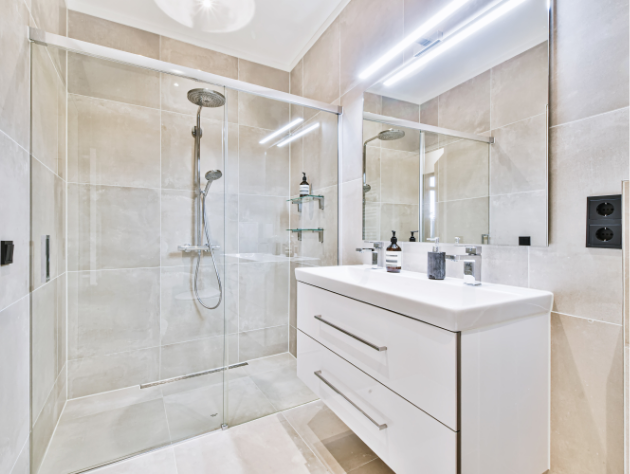
Also, regular and professional services from local house cleaners can help Melbourne homeowners. In that regard, regular house cleaning would also keep your bathroom floor sparkling and germ-free, so it is a healthy condition for you and your family.
FAQ
1.How often should I clean my bathroom floor?
For hygiene, clean your bathroom floor once a week. For high-traffic bathrooms, with pets and kids, clean it more often. Daily quick sweeps or spot cleans after showers may be needed.
2.How can I avoid mold and mildew accumulation on bathroom floors?
Cleaning is the only method that can deter mold and mildew. Ventilate the bathroom well. After each use, wipe the floors to remove excess moisture. Also, scrub the grout lines regularly to prevent mold.
For more help in the same bathroom cleaning topic, see Top 6 Bathroom Eyesores Design You Should Avoid.
For more help in the same house cleaning topic, see 10 Expert Cleaning Tips for a Sparkling Bathroom.