
Table of Contents
Introduction
When you get close to moving day, it’s normal to wonder what is end of lease cleaning and whether your own mopping and dusting will be enough for the final inspection.
In Melbourne rentals, this clean is more detailed than a normal tidy-up and often includes tasks like oven degreasing, window tracks, and even carpet cleaning , all done to a professional standard.
If you prefer a structured, done-for-you option, you can also refer to this detailed end of lease cleaning service in Melbourne to see how a full checklist is handled from top to bottom.
End of lease cleaning (also called bond cleaning or vacate cleaning) is a deep, professional-level clean required to return your rental property to a “reasonably clean” condition. Key tasks include kitchens, bathrooms, carpets, windows, and hidden areas. Using a structured checklist and proper cleaning sequence helps prevent bond deductions, while professional cleaning services can reduce stress and improve inspection outcomes.
What Is End of Lease Cleaning?

At its simplest, end of lease cleaning is the deep, top-to-bottom clean you complete when you hand a rental property back to your landlord or agent.
It’s sometimes called bond cleaning or vacate cleaning, but the purpose is always the same.
You’re trying to return the property to the same “reasonably clean” condition it was in when you moved in, allowing for fair wear and tear.
That means:
- All rooms cleaned, not just the “visible” ones
- Fixtures, fittings and appliances wiped, scrubbed and degreased
- Floors vacuumed and mopped, including edges and corners
- Bathrooms descaled so taps, tiles and grout look fresh again
In Victoria, renters must leave the property “reasonably clean” and in the same condition as at the start of the tenancy, taking fair wear and tear into account.
Put simply, what is end of lease cleaning?
It’s the process of achieving that legal standard so your bond refund isn’t at risk.
according to “Consumer Affairs Victoria” , renters must keep and leave the property reasonably clean and can only be required to do professional cleaning in specific situations.
End of Lease Cleaning, Bond Cleaning and Vacate Cleaning – Are They the Same?
When you search online, you see bond cleaning, vacate cleaning and end of lease cleaning used almost interchangeably.
In most Melbourne rentals these terms describe the same detailed service, just with different names borrowed from other states and agencies.
- Bond cleaning – popular in Queensland; highlights the link to your bond refund or bond return.
- Vacate cleaning – often used by property managers focusing on the move-out process itself.
- End of tenancy cleaning / move out clean – more common in the UK but the same idea.
For you as a renter, the key isn’t the label.
The key is that the clean meets the professional standard your property manager expects.
Whether it’s sold as bond cleaning or vacate cleaning, you should expect a strict, room-by-room checklist and a focus on inspection-sensitive areas like kitchens, bathrooms and carpets.
Why End of Lease Cleaning Matters for Your Bond Refund
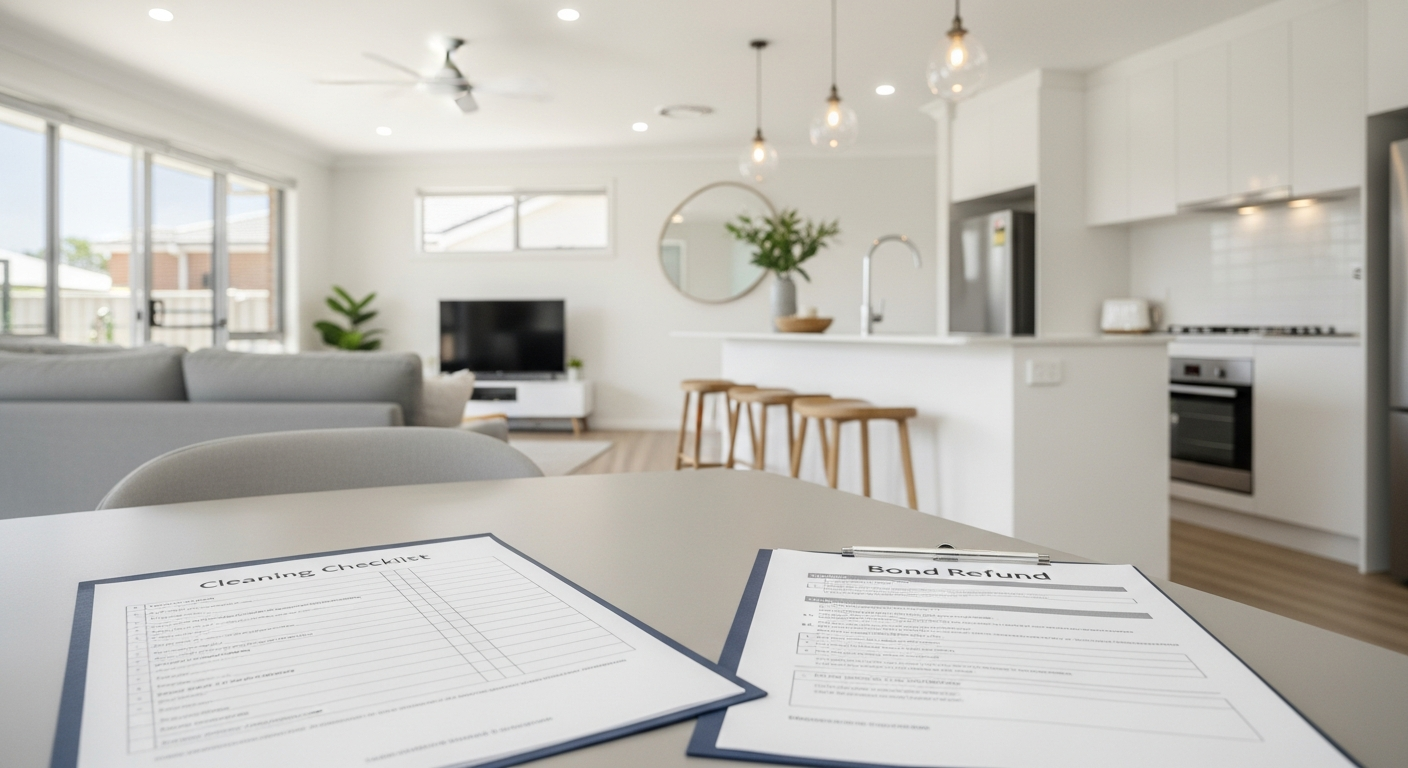
Your rental bond can be one of the biggest “hidden costs” of moving if the final clean goes badly.
Many disputes happen because the tenant’s idea of clean is very different from the agent’s.
Here’s how a proper end of lease clean protects your bond refund:
- It reduces subjective arguments about “dirty vs clean” by following a clear checklist.
- It makes it easier to compare the final condition with your entry condition report.
- It shows the agent you’ve taken reasonable care, which softens their stance if there are small issues elsewhere.
If the agent still believes the property wasn’t cleaned properly, they may try to claim part of your bond for extra cleaning.
Understanding what is end of lease cleaning and planning it early helps you avoid that stress.
For legal and practical tips on dealing with inspections and bond claims, you can also read this guide on avoiding bond disputes during the end of lease
What Is Included in an End of Lease Cleaning Checklist?

A good end of lease cleaning checklist goes far beyond a quick vacuum.
Think of it as a move-out audit of every surface, corner and fitting your landlord might inspect.
Typical inclusions in Melbourne rentals:
- Kitchen
- Degrease cooktop, rangehood and filters
- Clean oven racks, trays, door glass and control knobs
- Wipe cupboards inside and out, including handles and kickboards
- Clean splashback, benchtops, sink and tiles
- Bathrooms & Laundry
- Remove soap scum and limescale from shower screens and tiles
- Scrub grout, taps, drains and shower heads
- Disinfect toilet bowl, seat and cistern
- Clean vanity cupboards, mirrors and exhaust fans
- Bedrooms & Living Areas
- Dust all surfaces, skirting boards, doors and doorframes
- Clean wardrobes, shelving and built-in storage
- Spot-clean walls where possible
- Vacuum and mop floors, including edges and under accessible furniture
- Windows & Outdoor
- Clean internal window glass, tracks and sills
- Remove cobwebs from corners and eaves you can safely reach
- Sweep balcony, porch or small courtyard
If you’re someone who likes ticking boxes, create a simple move out clean checklist based on your entry condition report and your agent’s expectations.
That way you’re always working toward the same standard they’ll use at inspection.
Step-by-Step: How to Do End of Lease Cleaning to a Professional Standard
Once you understand what is end of lease cleaning, the next step is execution.
Working in the wrong order wastes time and can make rooms dirty again.
Follow this practical sequence:
- Declutter and empty the property
- Remove furniture, rubbish and personal items.
- Defrost fridge/freezer at least 24 hours in advance.
- Start high, finish low
- Dust ceiling corners, vents and light fittings first.
- Wipe doors, frames and high shelving before touching floors.
- Clean dry before wet
- Vacuum loose dust and cobwebs.
- Only then bring in mops, cloths and cleaning sprays.
- Tackle “heavy” areas next
- Deep clean the kitchen: oven, rangehood, cupboards and tiles.
- Scrub bathrooms: grout, limescale, soap scum and toilets.
- Finish with floors and final detail
- Vacuum all carpeted areas thoroughly.
- Mop hard floors from the far corner back toward the exit.
- Walk through with your condition report
- Compare each room against your original photos and notes.
- Fix small issues now instead of arguing later.
This order keeps you efficient and makes it easier to show that your clean was done to a professional standard.
Tools and Products That Make Bond Cleaning Easier
You don’t have to buy commercial equipment to reach a solid inspection standard, but the right basics help.
Consider putting together a simple bond cleaning kit:
- Microfibre cloths and glass cloths
- Non-scratch scourers and magic-eraser style pads
- Degreaser for ovens and rangehoods
- Limescale remover for taps and shower glass
- Neutral floor cleaner safe for timber, hybrid and tiles
- A good vacuum with edge tools and a sturdy mop and bucket
If your carpets have heavy staining or you’ve lived in the property for several years, it’s worth pairing your own work with professional carpet cleaning in Melbourne to refresh the fibres and remove odours.
This is especially helpful in properties with pets or large living areas.
DIY vs Professional Bond Cleaning – What’s Best for You?

Before you decide, think about your time, your stress level and the current condition of the property.
DIY Before
- You’re trying to juggle packing, work and cleaning.
- You’re guessing what the agent wants and hoping it’s enough.
Professional After
- The property is cleaned against a proven checklist that agents already recognise.
- You can focus on moving, not scrubbing grout at midnight.
The bridge between the two is choosing a reliable cleaning company that understands what local property managers look for during final inspections.
A local team like O2O Cleaning can even coordinate directly with your real estate agent to handle access, re-clean requests and timing so you’re not stuck in the middle.
If you want a sense of how professional services are structured, this page on hiring end of lease cleaners in Melbourne shows typical inclusions, timeframes and bond-back conditions.
How Long Does End of Lease Cleaning Take in Melbourne?
The time needed depends on the size and condition of your home and whether it’s furnished.
As a rough guide for a standard Melbourne apartment or house:
- 1 bed, 1 bath: 3–5 hours
- 2 bed, 1–2 bath: 5–7 hours
- 3–4 bed homes: 7–10+ hours, especially with outdoor areas
DIY can stretch over several evenings or an entire weekend.
Professional teams usually send two or more cleaners to keep the job inside one day and make it easier to schedule around key hand-over dates.
Whatever you choose, lock in your plan at least a week before your lease ends so you’re not trying to book last-minute help when everyone else is also moving.
FAQ: What Is End of Lease Cleaning?
1. What exactly is end of lease cleaning?
2. What does an end of lease cleaning service usually include?
Heavier tasks like oven cleaning and rangehood degreasing are usually part of the standard package.
3. Do I have to hire professional bond cleaning, or can I do it myself?
However, hiring professionals can save time and reduce the chance of disputes, especially in larger homes or heavily used properties.
4. How long before hand-over should I book end of lease cleaning?
This gives you time to fix any small issues and take final photos before inspection.
5. How often should a property be deep cleaned while I’m living there?
Conclusion: Use End of Lease Cleaning to Protect Your Bond and Reduce Stress
Understanding what is end of lease cleaning turns it from a vague, stressful idea into a clear, manageable project.
You now know it’s about meeting the legal “reasonably clean” standard, following a detailed checklist and thinking like an inspector, not just a tenant in a hurry.
If you’d like extra guidance, start by reviewing an end of lease cleaning checklist and the legal tips on avoiding bond disputes during the end of lease
Use them as your roadmap, whether you’re cleaning yourself or getting help.
When you plan early, follow a structured process and document your results, end of lease cleaning stops being a last-minute panic and becomes a straightforward step toward getting your full bond back and moving into your next home with confidence.


