
Table of Contents
Introduction
Knowing how to clean a house professionally isn’t only about looks. Most people get stuck doing surface-level cleaning that leaves grime and germs behind. This guide walks you through professional techniques that help you clean faster, smarter, and deeper.
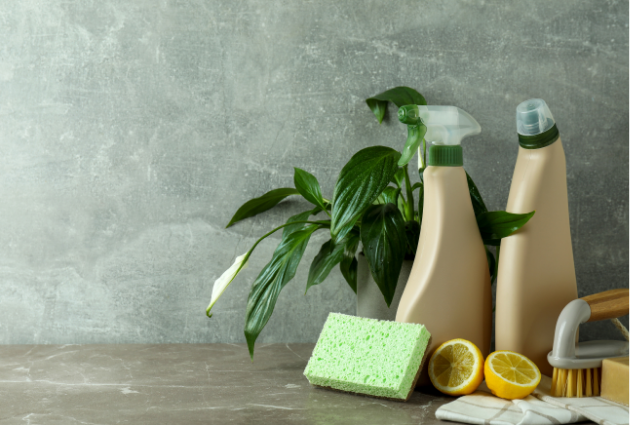
- Systematic cleaning improves efficiency
- Decluttering makes cleaning easier
- The right tools reduce time and effort
- Professional methods protect surfaces
- Maintenance prevents future buildup
The Pro Cleaner’s Philosophy: Mindset First
Professional house cleaning starts with a plan.
You work room by room, top to bottom and left to right, to avoid spreading dirt.
Declutter first—cleaning is more effective when surfaces are clear.
Make cleaning habitual and efficient by:
- Always entering a room with a purpose
- Breaking cleaning into 15-minute segments
- Assigning tasks by zones or days
- Involving the household for shared upkeep
Professional house cleaning tips aren’t about perfection.
They’re about method, consistency, and focus.
What Causes the Mess?
Most messes result from daily life.
Food splatter, dust, hard water deposits, pet hair, and clutter all build up over time.
These things worsen when routines are skipped.
Other root causes include:
- Using the wrong products (e.g., ammonia on wood)
- Letting moisture linger (leads to mildew)
- Poor air filtration (more airborne dust)
- Storing items without proper containment
Understanding why your house gets dirty helps you prevent future issues.
That’s how expert home cleaning techniques go beyond just wiping surfaces.
What You’ll Need: Cleaning Arsenal
Here’s a list of essential tools and products used in a professional house cleaning routine:
- Microfiber cloths (essential for every room)
- Long-handled dusters
- Scrub brushes and old toothbrushes
- Vacuum with HEPA filter and multiple attachments
- Baking soda and white vinegar
- Hydrogen peroxide (non-toxic disinfectant)
- Dish soap
- Squeegee for streak-free windows
- Two buckets: one for cleaning, one for rinsing water
- Specialized products:
- Enzyme cleaner (for protein stains)
- Degreaser (for kitchen grime)
- Grout cleaner
Always read labels. Never mix chemicals. Prioritise chemical safety.
Step-by-Step Cleaning Guide
Step 1: Start With Decluttering
- Remove anything not in its place
- Use baskets to group items by type
- Tidy counters, shelves, and floors before wiping
Step 2: Dust From the Top
- Ceiling fans and vents
- Corners and crown mouldings
- Light fixtures and baseboards
- Use microfiber cloths or vacuum attachments

Step 3: Clean Windows and Mirrors
- Spray vinegar and water mix
- Wipe in “S” motion using the squeegee
- Dry edges with microfiber cloth

Step 4: Vacuum All Floors
- Use proper attachments for carpet, wood, tile
- Run in two perpendicular directions for the best result
- Move furniture when needed

Step 5: Kitchen Deep Clean
- Clean sink with baking soda and dish soap
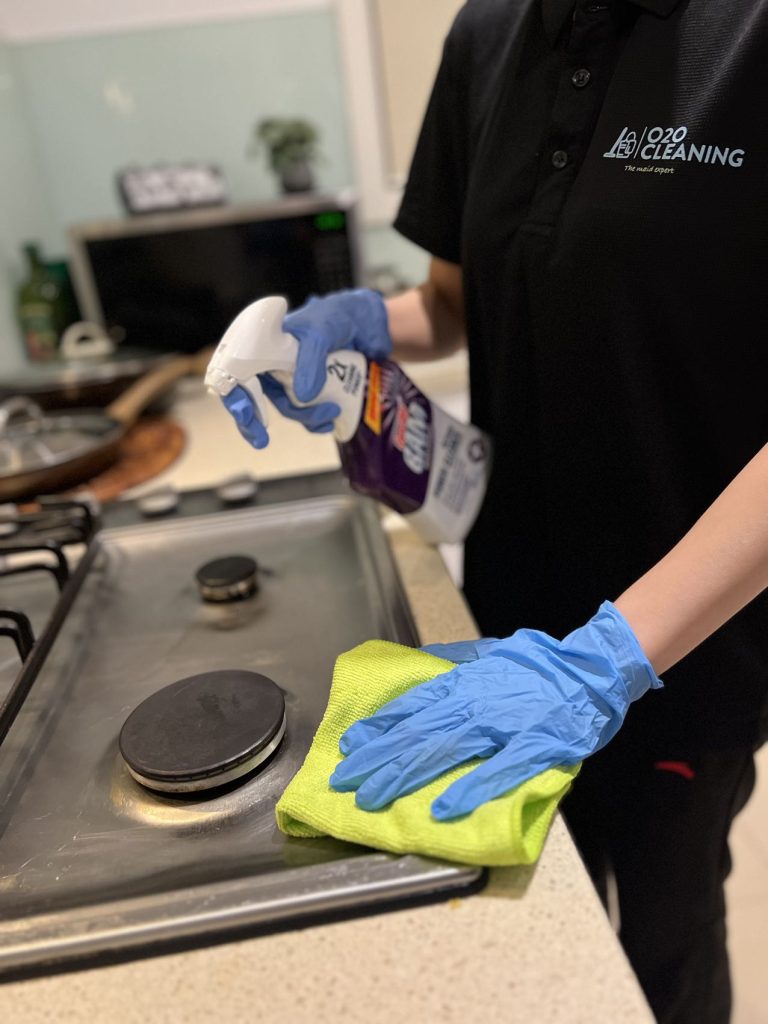
- Degrease stovetop and exhaust hood
- Clean inside microwave with a steam bowl (water + vinegar + lemon)
- Wipe fridge shelves and check expiry dates
- Empty and scrub dishwasher filter
Step 6: Bathroom Sanitation
- Clean mirror with streak-free spray
- Scrub the toilet (inside and out), and let the cleaner sit before brushing
- Remove hard water deposits with vinegar
- Disinfect all counters, handles, and dispensers
- Mop floors last

Step 7: Living Spaces
- Vacuum sofas and under cushions
- Wipe tables, shelves, remotes, lamps
- Clean electronics with dry microfiber cloths
- Dust blinds and window sills

Tackling Stains Like a Pro
Identify the Type
- Organic: coffee, food
- Inorganic: rust, mineral deposits
- Oil-based: cooking grease, cosmetics
- Protein: blood, urine
Use the Right Cleaner
- Enzyme for protein
- Vinegar for mineral
- Degreaser for oil
- Oxygen bleach for set-in organic stains
Method
- Pre-treat
- Let it sit
- Scrub with the appropriate tool
- Blot, don’t rub
Always test on hidden areas before applying to large surfaces.
Safety Tips You Can’t Skip
- Wear gloves when using strong cleaners
- Ventilate rooms—open windows or use fans
- Never mix vinegar with bleach
- Label spray bottles clearly
- Store all products away from kids and pets
- Rinse mops and cloths after use to avoid bacteria spread
Even baking soda cleaning has its limitations if misused.
Pro Maintenance Tips for Long-Term Cleanliness
- Set a weekly cleaning day
- Wipe kitchen surfaces daily
- Vacuum high-traffic areas every other day
- Deep clean bathrooms every two weeks
- Spot clean stains immediately
- Wash linens weekly
- Rotate furniture cleaning monthly
Use cleaning secrets like:
- Keeping a mini basket of supplies in each room
- Using doormats and indoor shoe rules
- Running vinegar through the dishwasher monthly
Common Cleaning Mistakes to Avoid
- Spraying glass cleaner directly onto electronics
- Using abrasive pads on delicate surfaces
- Ignoring ceiling corners
- Cleaning floors before dust settles
- Not reading labels on chemical cleaners
- Reusing dirty clothes and mop water
These reduce cleaning effectiveness and damage surfaces.
FAQs
What does “professional house cleaning” entail?
It includes deep cleaning of every surface systematically.
Professionals use checklists, follow a top-to-bottom pattern, and rely on the right tools for the job.
What are the key methods and tools professionals use?
They work room by room and use:
- Microfiber cloths
- HEPA vacuums
- Squeegees for windows
- Safe but powerful cleaning agents
How do professionals ensure health and safety?
Prioritising health and safety is fundamental in professional cleaning. This includes ensuring proper ventilation when using cleaning products, employing color-coded cloths to prevent cross-contamination between areas like bathrooms and kitchens, and regularly sanitising sponges and high-touch points such as doorknobs and light switches. Professionals also follow product labels carefully and clean up spills promptly to avoid accidents—according to Contractorplus.app.
Are eco-friendly methods effective?
Yes. Vinegar, baking soda, steam, and microfiber tech reduce chemical use without sacrificing results.
How do cleaning businesses price services?
Pricing is based on:
- Time and labor needed
- Size of the home
- Frequency of service
Some charge hourly; others offer flat rates after inspection.
Conclusion
At O2OCleaning, we believe house cleaning isn’t about scrubbing harder—it’s about cleaning smarter. With a solid routine and the right tools, house cleaning Melbourne homes becomes faster and more effective. Start with one space, build momentum, and let professional habits transform your home week by week.


