Table of Contents
Introduction
Have you ever wondered how often you should vacuum your home to keep it clean and healthy? Vacuuming is more than just a chore; it’s a crucial part of maintaining a comfortable living environment.
From enhancing indoor air quality to extending the life of your floors, regular vacuuming plays an essential role in home upkeep. This article will explore why vacuuming is important.
It will debunk myths about how often to vacuum. Lastly, it will give tips for a good vacuuming schedule. Our guide will help you find the best cleaning methods. It covers high-traffic areas and pet hair.
Understanding the Importance of Vacuuming
Why Regular Vacuuming Matters
Vacuuming regularly is vital for several reasons. It greatly improves indoor air quality. It removes dust, dirt, and allergens that build up over time.
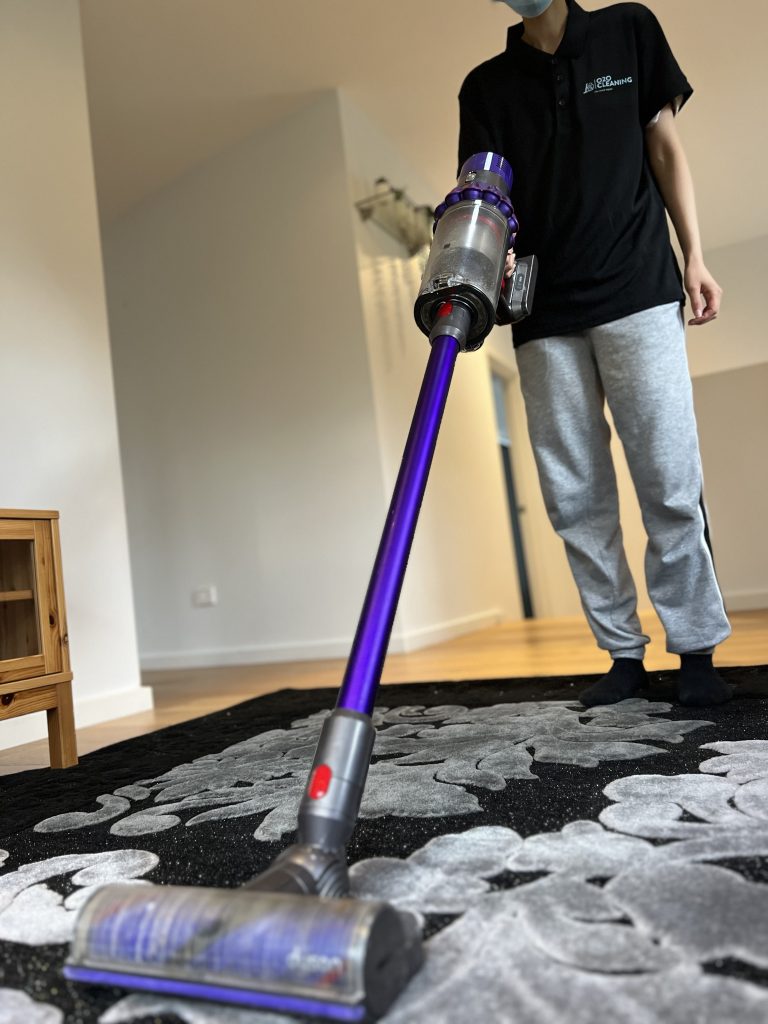
This not only makes your home cleaner but also healthier for occupants, particularly those with allergies or asthma. Furthermore, consistent vacuuming prevents dirt buildup that can damage carpets and floors over time.
Removing abrasive particles that can wear down fibers and finishes will extend the life of your floors.
Common Misconceptions About Vacuuming
There are many misconceptions about how often you should vacuum different types of flooring. Some believe that less frequent vacuuming preserves carpet fibers.
However, dirt acts like sandpaper on fabrics. So, it can cause more wear. Similarly, hardwood floors benefit from regular cleaning to prevent scratches from debris.
It’s important to understand these facts to maintain your home’s cleanliness effectively.
Factors Influencing Vacuuming Frequency
Flooring Type
Carpets and Rugs
Carpets and rugs require more frequent attention in high-traffic areas such as living rooms or hallways. For homes with pets or allergy sufferers, daily vacuuming might be necessary. A good rule of thumb is:
- Light traffic areas: Once a week
- Medium traffic areas: Twice a week
- High traffic areas: Daily or every other day

Hardwood, Tile, and Laminate Floors
These surfaces may not trap dust like carpets but still need regular maintenance. A weekly routine should suffice for most homes unless there are pets involved.


Household Size and Foot Traffic
The number of people in your household directly impacts how often you should vacuum. Larger families or shared living spaces typically mean more foot traffic—and thus, more frequent cleaning is required.
High-traffic zones like entryways might need daily touch-ups.
Presence of Pets
Pets add another layer to consider when planning your cleaning schedule.
Their hair can quickly build up on carpets and hard floors, especially during shedding seasons. This requires specialized pet hair attachments and more frequent cleaning.
Allergies and Health Considerations
For households with allergy sufferers, using HEPA filters helps. Increased use of them targets hotspots where allergens gather, like under furniture. This is key for asthma patients. It keeps allergens at bay.
Creating an Effective Vacuuming Schedule
Tailoring Your Schedule to Your Home
To create a personalized schedule, assess all the factors above. These include family size, flooring type, pets, and health issues. Then, set appropriate intervals.
- Start by identifying which rooms see most use.
- Adjust based on seasonal changes (e.g., spring pollen).
- Use the right attachments and declutter beforehand to maximize efficiency.
High-traffic areas And Quick Cleanups
Daily, bi-daily quick cleanups are essential, especially around entrances and hallways. Use doormats to trap dirt before entering. This reduces the workload significantly.

Seasonal Adjustments
Adjust schedules according to seasonal variations example, increase frequency during pet shedding seasons to reduce pollen levels and springtime allergy flare-ups .
Tips For Efficient And Effective Vacuuming
Choosing The Right Vacuum
Choosing a model that meets specific needs is key. It should tackle pet hair allergens and work on different floor types. This ensures the best performance.
Consider investing in top-rated vacuums and hardwood floors, professional-grade options if your budget allows.
Using The Right Attachments Techniques
Attachments greatly improve efficiency. Crevice tools and brush extensions each have a specific purpose. Learning to use them properly will maximize results .
Maintenance Upkeep Of Your Vacuum
Regular maintenance is key to longevity and optimal function. It includes cleaning filters, checking belts, and replacing parts as needed. This prevents breakdowns and costly repairs later.
Conclusion
Understanding “how often should you vacuum” for your situation is key. It ensures a cleaner, healthier home. It also helps your investments last longer. So, implement a vacuuming schedule based on the discussed factors.
This is vital to achieving the desired results. Remember always adapt strategies to accommodate changing conditions.
Encourage readers to try today’s insights. Share experiences in the comments. Test new techniques to improve routines!
FAQ
How often should I vacuum my house?
The frequency depends on several factors. These include: household size, presence, pets, and flooring type.
A general recommendation is to vacuum once or twice a week in light and medium traffic areas, respectively. Adjust based on your needs and conditions.
What is the best vacuum cleaner for pet owners?
Look for models made to handle animal fur. They should have strong suction and special attachments. Recommended HEPA filter brands include Dyson, Shark, and Bissell.
They are known for their reliability and effectiveness.
Why is it important to use HEPA filters?
HEPA filters capture tiny allergen particles. They improve air quality for allergy and asthma sufferers. This ensures a safe, comfortable home for everyone!
For more help in the same house cleaning topic, see How often should you clean your house? A practical cleaning guide that works.