Table of Contents
Introduction
Getting the right end of lease inspection can lead to a full bond back. Otherwise, it may cause unnecessary disputes. Knowing how to clean and prepare a property for inspection saves time and money. It also reduces stress for everyone involved: tenants, landlords, and property managers.

Grasping the Implication: Why This Inspection is Important
At the end of a lease, the rental property undergoes an end of lease inspection to assess cleanliness, damage, and compliance with the lease terms. For tenants, this inspection plays a key role in determining how much of the bond will be refunded. For landlords and property managers, it ensures the home is ready for the next occupant and helps resolve any cleaning or damage concerns fairly.
1. Inspection Prep: Tackle Issues Early
Waiting until the final day is too late. If possible, schedule a pre-inspection, as this will allow time to deal with issues that would result in extra charges.
Steps to Take:
- Ask for the condition report and ensure you have a copy of it.
- Assess the status against the move-in date.
- Document with photographs.
Ignoring this step can be detrimental, as it leads to last-minute stress or rental bond disputes.
2. Prioritize the Most Visited First
Bathrooms and kitchens are the most examined during inspections. These spaces are indicative of routine maintenance and cleanliness.
Kitchen Tips:
- Wipe all thick deposits of grease present on the range hood, stovetop, and oven.
- Clean all the inside of the cupboards.
- Descalve and clean the taps and backsplashes.

Bathroom Checklist:
- Remove all soap scum from the tiles and glass shower screens.
- Disinfect the toilet, sinks, and all the drains.
- Polish all mirrors and all chrome fittings.

These areas are where regular cleaning can be confused with deep cleaning neglect. Cleaning helps to tell the difference between the two.
3. Windows, Walls, and Floor Coverings
Inspectors consider the presence of marks on walls and dirty floors as excessive abuse. This, however, can be managed in the proper hands.
What to Do:
- Spot wash walls with warm water and sugar soap.
- Steam clean carpets, as this is a requirement in most lease agreements.
- Remove all cobwebs from the ceilings and the upper indoor corners.
- Clean all window tracks and window sills.

When it comes to leasing cars, ensure to check the tire tread, scuff marks, and upholstery stains, as these are all assessed during the lease return.
4. Do Not Overlook Small Fixtures
These include the more common closed door handles, light fittings, and switches. These are the areas that most inspectors check, but most tenants ignore.
Checklist:
- Dust all vents and air filters.
- Replace all burnt-out bulbs.
- Polish doorknobs and wash hands on switches.

Cleaning every detail boosts your position at the lease inspection. It also lowers the chance of being charged for disputes.
5. Outdoor Spaces Are Included
Patios, Balcony, gardens, and entry gates are included as part of the inspection. Overlooking them may risk disputes regarding the rental bond.
Outdoor Maintenance Checklist:
- Remove any dirt from balconies and patios.
- Remove entryway dirt and cobwebs.
- If applicable, mow the lawns and trim the edges.

If your lease has outdoor areas included, you are obligated to leave those areas clean, as you would indoors.
6. Document Everything Properly
Ensure you create a visual record before handing over the keys.
How to Safeguard Yourself:
- Take date-stamped photographs of all of the rooms.
- Cross-check with the original condition report.
- Document all cleaning service invoices.
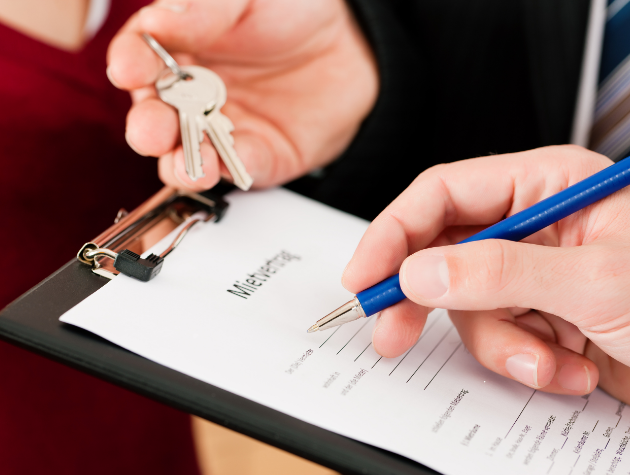
If you are challenged at a tribunal or a court, this documentation is vital. Detailed documentation, as per Tenants.org.au, aids in the quick resolution of disputes.
7. Know the Rights and Responsibilities of Tenants
As a renter or lessee, you are afforded certain legal protections while also incurring responsibilities as per the lease agreement.
Keep the Following in Mind:
- Rights of a tenant include attending the inspection and raising disputes.
- A tenant is only answerable for any damage over and above normal usage, not for normal usage damage.
- Obligations for cleaning differ depending on the lease; always review your contract first.
- Most rental bond disputes stem from this misunderstanding.
8. Use an End of Lease Cleaning Checklist
A structured cleaning checklist helps ensure no area is overlooked during your final clean.
What to Include:
- Kitchen appliances inside and out
- Bathroom fittings, mirrors, and tiles
- Interior windows, tracks, and sills
- Carpets, skirting boards, and light fittings
- Outdoor areas and entry points

Following an end of lease cleaning checklist will give you peace of mind and improve your chances of a full bond refund.
FAQs
Excessive damage vs. normal wear and tear: Is there a difference?
Wear and tear includes extra paint that is applied or minor damage to the carpet. Excessive wear includes deep cuts and burns as well as broken items.
For landlords, are they able to charge because of depreciation?
No, depreciation as worn-out flooring or paint, is normal and shouldn’t be considered as chargeable damage.
Should I get a professional cleaner?
Not necessarily, but if it is stated in your lease, then a carpet steam clean would require a receipt from a professional cleaner.
How do I contest unfair charges?
Request an itemized list, then submit your condition report and the cleaning proof. If unresolved, escalate to a tribunal or court.
Conclusion
When you rent a property, being ready matters. Pay attention to details during the inspection. Following an end of lease cleaning checklist can really change the result. Carry out thorough end of lease cleaning, take photos, and keep documentation while staying informed. That’s your smoothest path to a full refund and proper handover.
For more help in the same end of lease cleaning topic, see End of Tenancy Cleaning Checklist: Your Complete Guide to Stress-Free Moving.